BIM and Sustainability in Construction: How Shopping Malls Achieve Net Zero with Smart Technology.
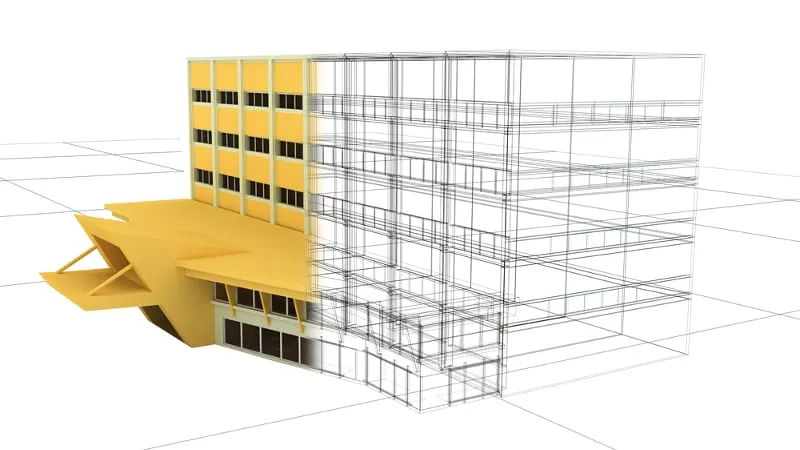
BIM is the backbone that allows shopping malls to be designed, built, and operated with a clear objective: reducing their carbon footprint and moving toward Net Zero without sacrificing profitability or customer experience
BIM and sustainability: the new standard in retail.
Imagine walking into a shopping mall that not only dazzles with its design, but also breathes sustainability in every corner. For retail architects and developers, turning this vision into reality means facing one of today’s biggest challenges: how to reduce CO₂ emissions without compromising user experience or investment returns.
The answer lies in BIM (Building Information Modelinga methodology that goes beyond 3D modeling to become a data platform that connects design, construction, operations, and sustainability goals. In a context where regulatory pressure is increasing and consumers prioritize responsible brands, sustainability in construction has stopped being a “nice to have” and has become a competitive advantage.
According to the Global Status Report for Buildings and Construction 2019buildings and their construction account for around 39% of CO₂ emissions related to energy and processes,making commercial assets a key front in the energy transition.
Why is sustainability critical in shopping malls?
The retail sector is experiencing a perfect storm: stricter environmental regulations, investors with ESG criteria, and users who demand spaces aligned with their values.
Regulations and certifications on the radar.
- In Mexico NOM-020-ENER-2011 sets energy efficiency criteria for the envelope of residential buildings, limiting heat gain to rationalize energy use; although it focuses on housing, it lays a technical foundation that inspires standards for other uses.[dof.gob]
- International certifications such as LEED, EDGE o WELL have become increasingly relevant for attracting institutional tenants.
- The rise of ESG criteria means that funds now require quantifiable evidence of the environmental performance of assets.
In this context, BIM functions as the digital infrastructure that makes it possible to measure, document, and demonstrate compliance with these standards throughout the project life cycle.
The challenge of emissions in commercial construction
Traditional shopping malls are resource‑intensive throughout their life cycle:
- Materials:The cement industry is responsible for nearly 7% of global CO₂ emissions which makes it critical to optimize its use and evaluate alternatives.unece]
- Operational energy:: In studies of malls in warm climates, electrical intensity has reached averages close to 430 kWh/m² per year, with air conditioning and lighting accounting for around 85% of consumption.scholars.cityu.edu]
- Waste: : In large projects without integrated planning, it is common for a significant percentage of materials to end up unused, increasing both costs and carbon footprint (one of the main motivations for adopting BIM, according to industry technical literature).
From a market perspective, consumer behavior also pushes toward sustainability: a global Nielsen study showed that el t 73% of millennials are willing to pay more for sustainable products, , which directly affects how the spaces where they shop are designed and communicated.
BIM is not an accessory option; it is the operating system that makes measurable, traceable, and scalable sustainable construction possible To dive deeper into the digitalization of existing assets, you can explore how Scan‑to‑BIM works in Mexico in this article: How Is BIM Transforming the Industry in Mexico?
How BIM reduces CO₂ emissions from design to operation
BIM integrates geometry, technical data, costs, and environmental parameters into a single coordinated model. This allows informed decisions to be made from the conceptual phase all the way through mall operations.
- Material optimization: less waste, smaller footprint
With BIM, teams can quantify with high precision the materials required for the project and assess their impact.
- Embedded carbon analysis: It is possible to compare alternatives (for example, different types of concrete, recycled steel, or hybrid systems) based on their embodied CO₂.
- Prefabrication and modularity: Detailed modeling facilitates prefabrication strategies that significantly reduce on‑site waste and improve logistics.
- Scenario evaluation:: BIM makes it possible to simulate different envelope solutions (ventilated façades, double skins, combinations of glass and opaque elements) to balance aesthetics, cost, and energy performance.
This approach aligns with practices described in content such as” Digital Transformation in Construction: New Tools” on the Foundtech blog, where BIM is presented as key to reducing errors and rework in complex projects
Illustrative example (based on typical parameters in retail projects): if a 50,000 m² shopping mall adopts a structural design that incorporates a higher proportion of recycled steel and optimizes structural sections through BIM analysis, it can significantly reduce embodied carbon compared to a traditional scheme, while also reducing the total amount of material used.*
Project phase. | Without BIM (traditional approach). | With BIM (integrated approach). | Expected impact on CO₂*. |
Schematic design. | General calculations, frequent oversizing. | Parametric design, detailed quantity takeoff, and material selection. | Emissions reduction through optimized material volumes. |
Construction | Changes on site, waste due to lack of coordination. | Prefabrication, 3D coordination, and optimized logistics. | Fewer trips, less waste, and a lower footprint on site. |
Operation | No integrated data on consumption or maintenance. | Digital twin with operational data and maintenance history. | Sustained reduction in operational CO₂. |
The specific reduction percentages depend on each project and must be derived from dedicated embodied and operational carbon analyses.
2. Energy simulation from the BIM model
BIM models can be connected to energy simulation engines (such as EnergyPlus or tools integrated into design platforms) to predict consumption before construction.
Among the most relevant analyses for retail:
- Solar gains and orientation: Defining the optimal orientation of façades, solar shading, and shading elements to reduce thermal loads.
- Daylighting: Simulating skylights, interior courtyards, and rooflights to maximize natural light and reduce the use of artificial lighting..
- Zoned HVAC systems:Designing air‑conditioning systems by use area (retail zones, food court, offices) with smart controls.
This type of approach is aligned with Foundtech’s content on BIM, digital twins, and AI in construction, , which highlights how digital models make it possible to evaluate energy performance and adjust the design before execution.
3. Lifecycle management with digital twins
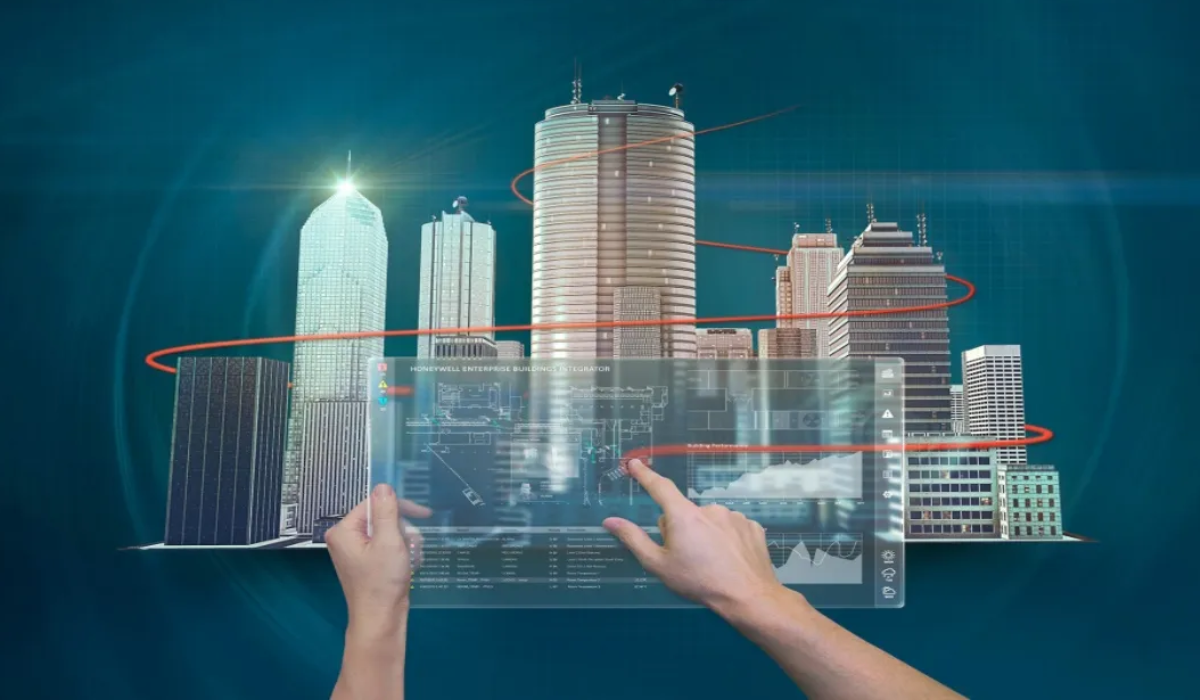
The real environmental impact of a shopping mall is concentrated in its decades of operation. BIM becomes the foundation of a Digital Twin that accompanies the asset throughout operation, maintenance, and renovations.
With a digital twin it is possible to:
- Monitor energy consumption and environmental conditions in near real time.
- Identify areas of overconsumption and adjust them (for example, HVAC schedules or exterior lighting)
- Plan retrofits (LED, envelope improvements, automation systems) with prior simulations of impact and return on investment.
If you want to explore sector‑specific applications, the implementation of Digital Twins in hospitals shows how the same approach applies to critical infrastructure.
BIM + renewable energies: the formula towards Net Zero
Achieving a Net Zero shopping mall involves combining energy efficiency with local renewable generation and, in some cases, external offsets.
Integrating photovoltaic systems from the design stage.
With BIM, integrating solar panels becomes a coordinated, data‑driven process:
- Shadow and solar path analysis throughout the year to place panels on rooftops and parking areas.
- Sizing photovoltaic systems according to estimated load profiles and consumption coverage targets.
- Coordinating structure, electrical systems, and drainage to avoid clashes and rework on site
For an illustrative sizing, industrial systems in Mexico with capacities on the order of 1.5 MW can generate up to 800 MWh per year, avoiding hundreds of tons of CO₂ annually compared to a conventional power mix. In a large‑scale shopping mall, BIM makes it possible to assess how much available surface can be allocated to solar and how it integrates with the building’s architecture*]
Water, resources and green certifications
In addition to energy, BIM facilitates the design of:
- Rainwater harvesting systems (runoff calculations, sizing of cisterns and internal networks).
- Reuse schemes for irrigation, restrooms, and equipment such as cooling towers.
Regarding certifications:
- BIM tools help document LEED v4.1 credits in categories such as Energy and Atmosphere, Materials and Resources, and Indoor Environmental Quality.
- In markets such as office real estate, several studies have found rent premiums of around 3–4% for LEED buildings compared to non‑certified peers, reinforcing the value of investing in sustainability..[*]
Challenges to implementing sustainable BIM in retail
Adopting BIM with a sustainability focus is not only technological; it is also cultural and organizational.
Challenge 1: Teams accustomed to 2D
Many design firms and contractors still work mainly in 2D, with fragmented workflows and coordination based on printed drawings.
- Practical strategy: start with pilot projects (for example, a specific area of the mall) and support the process with formal training on BIM platforms.
- Rely on specialized consultants or partners to structure the BIM Execution Plan.
Challenge 2: Lack of BIM libraries from local providers
Manufacturers of sustainable materials in markets such as Mexico often do not have BIM catalogs.
- Solution: creating custom families with relevant technical and environmental properties (for example, Environmental Product Declaration data, EPDs).
- Collaborative work between the design firm, the supplier, and a BIM team such as Foundtech’s to standardize this information.
Challenge 3: Closing the gap between simulation and real-world performance
It is common for buildings designed as “green” not to achieve the expected savings (the performance gap).
- An operational Digital Twin,connected to IoT sensors, makes it possible to compare actual behavior with projected performance and adjust operating parameters.
- Predictive maintenance strategie s supported by data and advanced analytics help maintain energy performance over time.
To delve deeper into this topic from Foundtech’s perspective, you can review their content on maintenance based on digital twins and data analytics, as described in articles such as ““What Is Predictive Maintenance and Why Does Your Business Need It?”” on the blog.
The role of FOUNDTECH: from the point cloud to Net Zero
At FOUNDTECHdata‑driven sustainable decisions throughout the entire life cycle of the shopping mall.
- Scan-to-BIM: using 3D laser scanning to generate reliable as‑built models that support renovations and efficiency strategies.
- Intelligent BIM modeling:: incorporating thermal properties, material information, and operating parameters that enable energy and carbon analyses.
- Digital Twins:: connecting the model with real‑time data to monitor consumption, anticipate failures, and optimize operation.
Conclusion: BIM as a competitive advantage in Net Zero shopping centers
For retail developers and architects, the path to Net Zero shopping malls is not only about choosing “green technology”, but about adopting a digital methodology that connects every decision with its environmental and financial impact. BIM positions itself as the foundation of this transformation, integrating design, materials, energy, and operations into a single model that makes it possible to measure, optimize, and communicate results.
In a context where buildings account for nearly 39% of CO₂ emissions related to energy and processes, and where consumers reward sustainable brands, malls that adopt BIM and digital twins will not only be more efficient, but also more attractive to tenants, investors, and end users. For teams that take this step, sustainability will cease to be just a tangible competitive advantage backed by data.
Be part of this revolution; contact us to get a diagnosis for your company.