Intelligent Campuses with BIM and Digital Twins: Efficient Management in Universities
Today, universities face the challenge of efficiently managing complex infrastructures: academic buildings, laboratories, residences, sports facilities, and innovation centers spread across extensive campuses. In response, BIM technology (Building Information Modeling) and digital twins emerge as key allies in the journey toward intelligent campuses.
In this article, we will explore how the integration of BIM and digital twins enables universities to monitor, maintain, and optimize their physical assets, improve sustainability, and enhance the experience of students, faculty, and technical staff. A vision aligned with what Foundtech promotes in our high-performance educational infrastructure solutions.
What is an intelligent campus?
An intelligent campus is one that combines digital technologies, IoT connectivity, sustainability, and automation to transform its daily operations and decision-making. Unlike traditional campuses, these environments are backed by real-time data that enables predictive and centralized management.
Its pillars include:
Space and building occupancy monitoring
Energy consumption optimization
Predictive asset maintenance
Intelligent security and evacuation
Unified visualization of the entire campus
And it is precisely here that the university digital twin and BIM modeling integrate as the technological foundation for this transformation.
From blueprints to intelligent models: the role of educational BIM
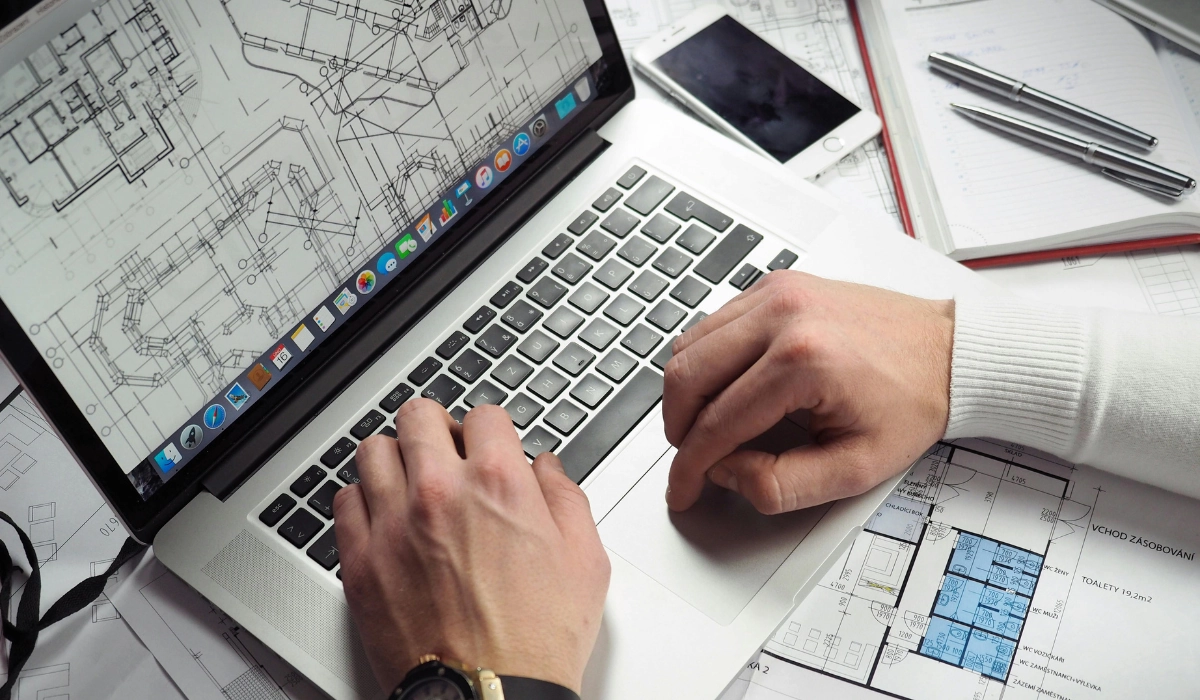
The first step toward a university’s digitalization is educational BIM, which enables converting static plans into intelligent three-dimensional models. These models contain geometric, technical, structural, and functional information for each building element: walls, electrical systems, HVAC, furnishings, access points, emergency exits, etc.
For architects responsible for university projects, this means:
Design with greater precision and multidisciplinary coordination
Simulate construction phases, costs, and maintenance from the start
Avoid field execution errors
But the real value begins when this model connects with IoT sensors and transforms into an active digital twin.
University digital twin: a live data ecosystem
A digital twin is a real-time virtual representation of the entire campus, powered by sensors and management systems (BMS, ERP, CMMS). This ecosystem enables monitor, control, and simulate the behavior of university spaces.
In universities, its benefits are clear:
1. Space occupancy and usage monitoring
Through motion sensors, people counting, and calendars, you can identify:
How many classrooms are actually used
Which laboratories are underutilized
Where to adjust schedules and resource allocation
This enables data-driven decisions to redesign schedules, close unnecessary spaces, or prioritize investments.
2. Energy efficiency and sustainability
By monitoring HVAC, lighting, electrical usage, and environmental conditions, campuses can:
Detect leaks, waste, or excessive demand
Automate systems by zones and schedules
Simulate energy-saving strategies
In fact, using digital twins has reduced energy consumption by 30% in international educational institutions.
3. Predictive maintenance management
With vibration, temperature, and humidity sensors, you can detect failures before they occur. This impacts:
Fewer interruptions to classes or activities
Longer equipment lifespan
Efficient maintenance budget planning
4. Planning expansions or renovations
BIM models connected to the digital twin enable simulate growth scenarios: What happens if we build a new building? How does it impact consumption or mobility? Is it feasible to relocate certain spaces?
Foundtech: Specialized solutions for university campuses
At Foundtech, we develop BIM models and digital twins designed for educational infrastructure. Our experience includes private universities to public campuses seeking to optimize their operational and budget management.
Our approach includes:
Precise digital surveying with Scan2BIM technology
BIM modeling in Revit with customized educational parameters
Integration with IoT systems and BMS
Digital twin implementation on an open platform
Training and capacity transfer to internal teams
You can learn more about our approach in this article on BIM and digital twins in educational infrastructure, where we detail the benefits of this technology in universities and hospitals.
Expected results: KPIs that matter in education
Universities implementing this technology achieve:
20-40% reduction in operational costs
30% reduction in corrective maintenance times
Space usage optimization of up to 25%
20-35% increase in energy efficiency
Improvement in sustainability indicators (LEED, ISO, ESG)
A replicable and scalable model
The advantage of a university digital twin is that it adapts to campuses of different sizes. You can start with a pilot building (for example, a library or laboratory) and then scale to the entire institution.
In fact, this gradual strategy aligns with best practices in digital transformation in construction, where the focus is on achieving efficiency, sustainability, and complete lifecycle control.
Conclusión: la universidad del futuro se construye hoy
The shift toward intelligent campuses is not an option, it is a necessity. Universities that adopt tools such as BIM and digital twins will not only save costs, but will also create more sustainable, secure, and user-centered learning environments.
At Foundtech, we are ready to accompany educational institutions in this process. Because building the future of education also means digitizing its infrastructure.
Learn more on our specialized blog or request a diagnostic session for your campus at foundtech.me.