What Is a Digital Twin and Why Your Building Needs One in 2026.
Imagine being able to anticipate a failure in your building’s HVAC system three weeks before it happens, .
or virtually walk through every corner of a project without leaving your office.
That is not science fiction;it is what a digital twin makes possible today..
If you are wondering what a digital twin is, the simplest answer is this:
an exact virtual replica of your building that lives, breathes, and evolves in real time.
But the real question is not what it is, but:
Why does your project need it now?
Since 2024, digital twins in architecture have stopped being a luxury reserved for large corporations and have become a real competitive advantage. . Thanks to Thanks to 3D building scanning and increasingly accessible digital twinning platforms, architects, facility managers, and developers are making smarter decisions, reducing risk, and saving millions in operating costs.
At FOUNDTECH we have seen how this technology transforms projects from the design phase through to predictive maintenance.
In this digital twin guide, we explain how they work, what concrete benefits they offer, and how to implement them without technical complications.
What is a Digital Twin? Definition and Essential Components.
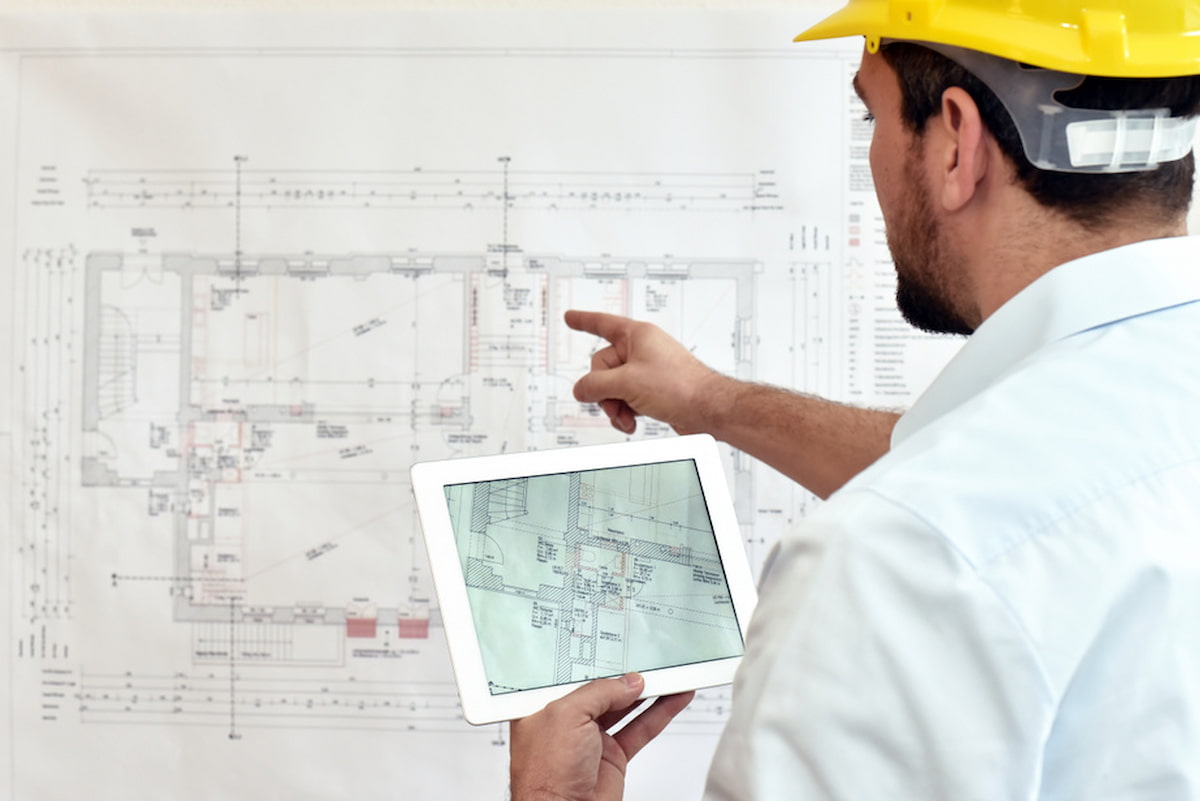
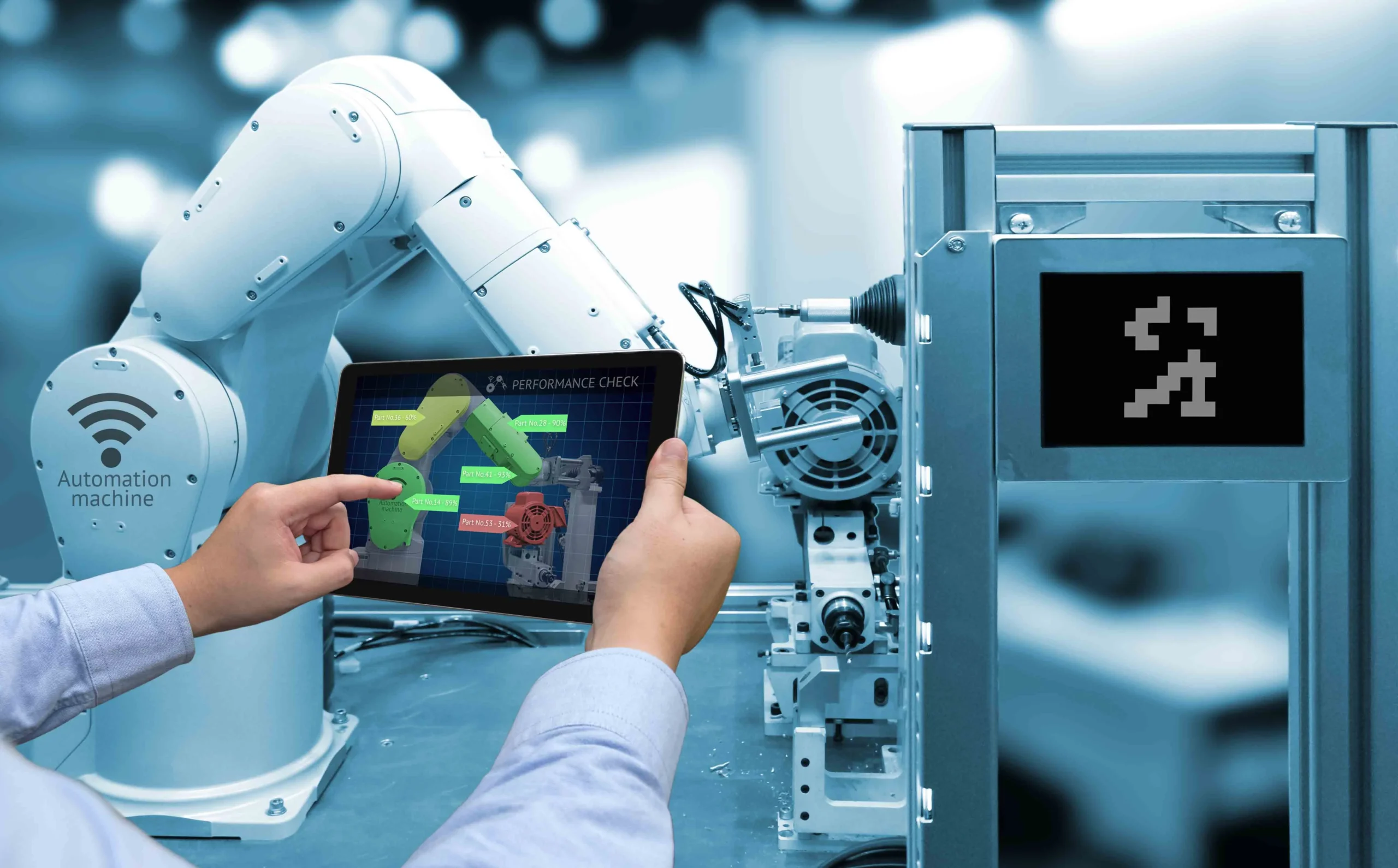
ADigital Twinis a dynamic virtual representation of a physical asset—building, infrastructure, or facility—that is updated in real time through IoT sensors, operational data, and BIM models.
Unlike a static 3D model, a digital twin integrates live information on:
- Building performance.
- Energy use.
- Actual occupancy.
- Status ofMEP systems(mechanical, electrical, and plumbing).
Core components of a digital twin
1. Base geometric model (Scan-to-BIM).
It all starts with a 3D building scan using laser technology (LiDAR) or photogrammetry.
Millions of points are captured with millimetric precision,generating a point cloud that is turned into an as-built BIM model.
2. Real-time data layer.
IoT sensors continuously monitor critical variables such as:
- Temperature and humidity by zone.
- Energy consumption by system.
- People flow and occupancy.
- Status of HVAC, lighting, and security equipment.
- Indoor air quality (CO₂, VOCs).
3. Analysis and simulation engine.
This is where the real intelligence happens. Analytics and machine learning algorithms make it possible to:
- Predict failures before they occur.
- Automatically optimize energy consumption.
- Simulatewhat-ifscenarios (remodeling, changes of use).
- Generate proactive maintenance alerts.
4. Visualization and management interface.
Intuitive dashboards allow technical and management teams to
- Navigate the building in 3D.
- Look up any asset with a single click.
- Generate automatic reports.
- Coordinate maintenance with spatial precision.
3D Model vs. Digital Twin: The Key Difference.
Feature. | Traditional 3D Model | Digital Twin. |
Updating | Static. | Real time. |
Operational data. | No | Yes (IoT) |
Predictive capability. | No | Yes |
Interaction. | Visual | Simulation and optimization. |
In real FOUNDTECH projects, digital twins have achieved maintenance cost reductions of up to 30% in the first year of operation.
Digital Twins in Architecture: Real Applications by Sector
Thedigital twinning adapts to every industry. These are some of the most relevant use cases.
Hospitals and healthcare facilities.
- Continuous monitoring of operating rooms and ICUs
- Optimization of patient flows.
- Prevention of failures in critical systems.
- Automated regulatory compliance.
You might be interested in: How Digital Twins Are Transforming Hospital Management.
Hotels and hospitality.
- Personalized environments for each guest.
- Invisible maintenance.
- Reduced energy consumption.
- Simulation of event setups
Industry, manufacturing, and logistics.
- Condition-based maintenance.
- Layout optimization without stopping operations.
- Reduction of unplanned downtime.
- Environmental compliance and ESG reporting.
You might be interested in:Smart Ports and Warehouses: The Digital Twin Revolution in Logistics.
Retail and shopping centers.
- Pedestrian flow analysis
- Dynamic adjustment of HVAC.
- Predictive security.
- Planning renovations without closures.
Education and smart campuses
- Real optimization of space usage.
- Support for LEED / WELL certifications.
- Safety and emergency management.
- Predictive maintenance of sports facilities.
Learn more in:: Smart campuses with BIM and digital twins: efficient management in universities.
Conclusion: Why 2026 Is the Point of No Return.
In 2026, the question will no longer be“Is a digital twin worth it?”
but rather:
how much is it costing you not to have one?
Buildings without a digital twin will operate with incomplete data, reactive decisions, and higher financial risk.
while those that do adopt one will have certainty, , control and a competitive edge for decades.
AtFOUNDTECH, we do more than capture spaces
we transform physical reality into digital intelligence so that architects, industries, and operators can build a more efficient, profitable, and sustainable future.
If you are planning a renovation, an expansion, or simply want to operate your building better,, the time to create your digital twin is now