Energy Efficiency with Digital Twins: Reduce Consumption in Winter
The clock reads 6 AM on a Monday in January. Your corporate building’s HVAC system starts at maximum power, consuming energy as if there was no tomorrow. By the time the first colleagues arrive at 8 AM, you’ve spent the equivalent of three days of efficient operation. And the worst part: no one on your facility management team has real visibility into where that energy budget is leaking away.
This scenario repeats itself in thousands of commercial buildings every winter. According to Mexico’s National Institute of Electricity and Clean Energies (INEEL), commercial buildings increase their energy consumption between 35% and 45% during the cold months. The irony is evident: we spend millions on sophisticated HVAC systems, but operate blind when efficiency matters most.
At Foundtech, we have transformed this reality for more than 50 corporate clients through the implementation of digital twins with BIM.. The difference is tangible: while a traditional energy audit tells you what went wrong last month, a digital twin with intelligent HVAC monitoring shows you exactly what to optimize in the next 24 hours.
What is BIM Energy Efficiency and Why Does It Revolutionize the Industry?
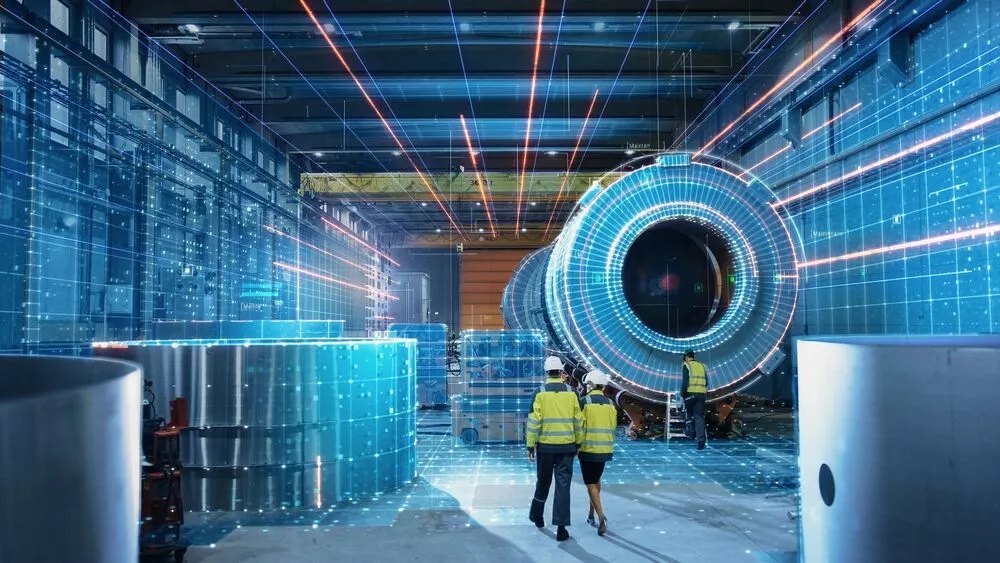
La eficiencia energética con gemelos digitales represents a quantum leap compared to traditional energy management methods. We’re not talking about simple IoT sensors scattered throughout the building, but rather a complete digital ecosystem that replicates every MEP (Mechanical, Electrical, Plumbing) component in real-time.
An energy digital twin combines three fundamental technological layers:
1. High Precision BIM Modeling
- Millimeter-precise representation of HVAC, lighting, and critical equipment systems
- Integration of technical specifications and performance curves
- 3D Thermal mapping of critical zones
2. IoT Sensors and Advanced Telemetry
- Continuous monitoring of temperature, humidity, and air quality
- Electrical consumption measurement by zone and equipment
- Anomaly detection through machine learning algorithms
3. Predictive Analytics and Simulation
- Energy demand projection based on historical patterns
- Optimization scenario simulation
- Preventive alerts before consumption peaks
The magic happens when these three layers converge: your maintenance team can visualize in real-time how a faulty compressor on floor 12 is causing overcooling that forces the floor 11 system to work 30% harder. This granular visibility is impossible with traditional Building Management System (BMS) systems.
Key implementations:
- Intelligent Zoning
- Occupancy Algorithms
- Condition-Based Maintenance
Complete guide to predictive maintenance
Winter Energy Savings: Strategies by Sector
- Hospitals:
- Waste heat recovery
- Demand ventilation
Differential pressure management
- Hotels:
- Predictive check-in
- Automatic eco mode
Vertical zoning
- Shopping Centers:
- Pedestrian flow thermal mapping
- Intelligent air curtains
Solar thermal management
Limitations of Traditional Auditing:
- Traditional Audit Limitations:
- Static snapshot
- Retrospective
- Infrequent
Benefits of Predictive Management with BIM:
- Continuous monitoring
- Continuous monitoring
- Scenario simulation
- ERP integration and compliance
ERP integration and compliance
- FOUNDTECH Methodology:
- BIM Modeling
- BIM Modeling
- IoT Sensorization
Want to know how much you could save on your building?