Digital Twins: A Tool for Planning Assets
The design and optimization of fixed assets is a critical process for many industries, from manufacturing and construction to energy and mining. With the growing complexity of fixed assets, digital twin technology is becoming an increasingly popular tool for planning assets to improve efficiency and reduce costs.
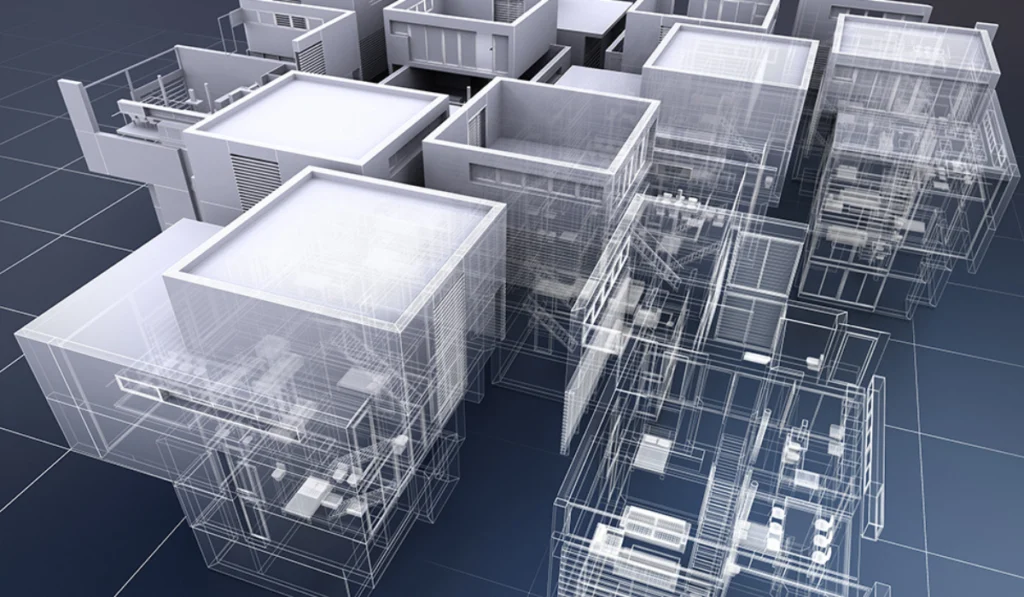
A Digital Twin is a virtual representation of a physical object or system that allows designers and operators to simulate and analyze its behavior in real time. Digital twins are used to simulate different scenarios, test different designs and configurations, and optimize the performance and efficiency of fixed assets.
- In manufacturing, digital twins are used to optimize production processes and improve product quality. Designers can use digital twins to test different designs and configurations before building physical prototypes, saving time and reducing costs.
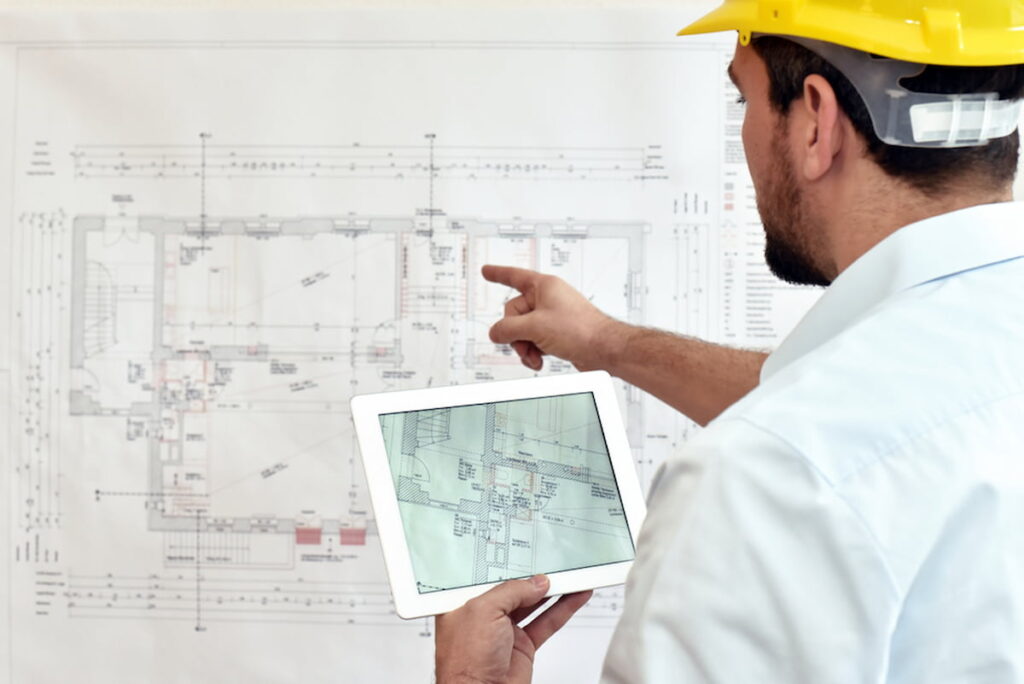
- In construction, they are used to optimize the design and planning of buildings and infrastructure. Digital Twins allow architects and their teams to simulate different scenarios and make informed decisions about the location, shape, and functionality of buildings and infrastructure.
- In mining, they are ideal for optimizing the production and maintenance of critical fixed assets, such as turbines and mining equipment. They allow operators to simulate different scenarios and detect potential problems before they occur, reducing downtime and maintenance costs.
In addition, Digital Twins offer an opportunity for the predictive maintenance of fixed assets. Sensors and monitoring systems can collect real-time data on the behavior of physical assets and send it to the system. Digital twins can analyze this data and detect patterns and trends that indicate potential future problems. This allows operators to carry out preventive maintenance and reduce downtime.
In short, digital twin technology offers a wide range of benefits in optimizing the design and efficiency of fixed assets. The ability to simulate and analyze the behavior of fixed assets in real time allows designers and operators to make informed decisions and improve the quality and efficiency of their assets.
However, it is important to keep in mind that implementing digital twin technology can be costly and require a wide range of technical and engineering skills. In addition, digital twin technology requires a large amount of accurate, up-to-date data to function correctly.
Despite these challenges, digital twin technology remains a promising tool for optimizing the design and efficiency of fixed assets across a wide variety of sectors. With their ability to simulate and analyze the behavior of physical assets in real time, digital twins have the potential to reduce costs, improve efficiency, and extend the useful life of fixed assets.
In conclusion, digital twin technology is a valuable tool for planning assets to optimize design and efficiency. As the technology continues to evolve and becomes more accessible, we can expect to see greater adoption of digital twins across a variety of industries to improve the design and optimization of fixed assets.
JOIN THE NEW REALITY!