How Will Digital Twins Change Manufacturing?
In today’s constantly evolving manufacturing landscape, digital transformation is revolutionizing industry practices. One innovative technology leading this shift is the Digital Twin. Let’s talk more about Digital Twins and their impact on the manufacturing sector…
By creating virtual replicas of physical assets, processes, and systems, Digital Twin technology holds immense potential to transform the manufacturing sector. In this blog post, we will delve into the benefits and challenges that Digital Twin technology brings to the manufacturing industry, highlighting its ability to improve production efficiency, reduce costs, enhance quality, and empower decision-making through real-time information.
Digital Twin technology plays a fundamental role in optimizing production efficiency by giving manufacturers an unprecedented understanding of their operations. By virtually simulating real-world scenarios, companies gain the ability to identify bottlenecks, optimize workflows, and allocate resources efficiently. With accurate, timely data generated by Digital Twins, manufacturers can simulate and test various scenarios before implementing changes on the production floor, minimizing disruptions and maximizing productivity.
In addition, Digital Twins enable predictive maintenance, which mitigates costly downtime. By continuously monitoring physical assets in real time, the technology can detect anomalies, identify potential failures, and proactively schedule maintenance activities. This proactive approach reduces unplanned downtime, increases equipment uptime, and optimizes the use of valuable resources.
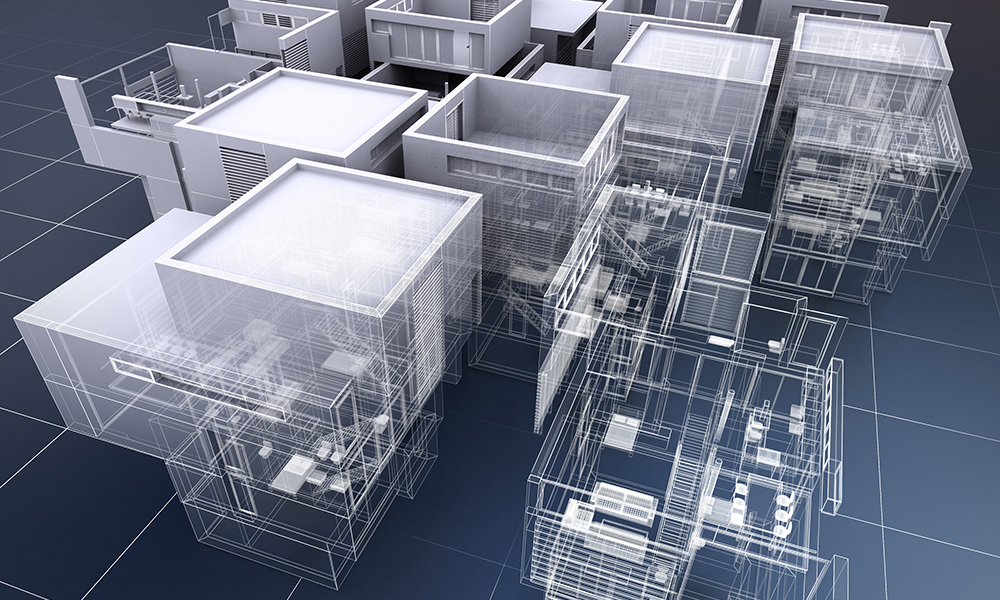
Implementations of Digital Twin technology will change manufacturing, as they have the potential to generate substantial cost savings in the manufacturing sector. By providing a virtual representation of physical assets and processes, manufacturers can identify areas of inefficiency and optimize resource utilization. Digital Twins facilitate the exploration of alternative manufacturing methods, materials, or production layouts, allowing organizations to optimize their operations without the need for physical trial and error.
In addition, the use of Digital Twins can minimize the costs associated with physical prototyping and testing. By virtually testing product designs, manufacturers can identify and correct design flaws in the early stages of the development cycle, reducing the need for costly physical prototypes. This not only saves costs but also accelerates time to market, giving companies a competitive edge in today’s fast-paced business environment.
Quality improvement and real-time decision-making
Digital Twin technology enables manufacturers to improve the quality of their products and processes by gaining unprecedented insight and control over their operations. By leveraging real-time data from connected devices and sensors, companies can monitor key performance indicators, track production metrics, and identify areas for improvement.
With the ability to collect and analyze large amounts of data, Digital Twins enable the use of predictive analytics and machine learning algorithms to identify patterns, detect anomalies, and optimize manufacturing processes. By continuously learning from real-time data, manufacturers can make informed decisions, optimize production parameters, and ensure consistent product quality.
In addition, Digital Twins facilitate better collaboration and knowledge sharing across various departments and stakeholders. The virtual representation of assets and processes allows interdisciplinary teams to visualize and understand the complex interdependencies within the manufacturing ecosystem, fostering collaboration, innovation, and efficient problem-solving.
While Digital Twin technology offers transformative potential, its implementation also presents challenges. Creating and maintaining accurate, up-to-date virtual representations requires a substantial investment in data acquisition, integration, and analytics capabilities. In addition, ensuring data security, privacy, and intellectual property protection becomes crucial when dealing with virtual replicas of critical assets and processes.
Furthermore, organizations must address the cultural and organizational change required to fully adopt Digital Twin technology. Manufacturers must foster a data-driven mindset, encourage cross-functional collaboration, and provide the training and skills development needed to leverage the technology effectively.
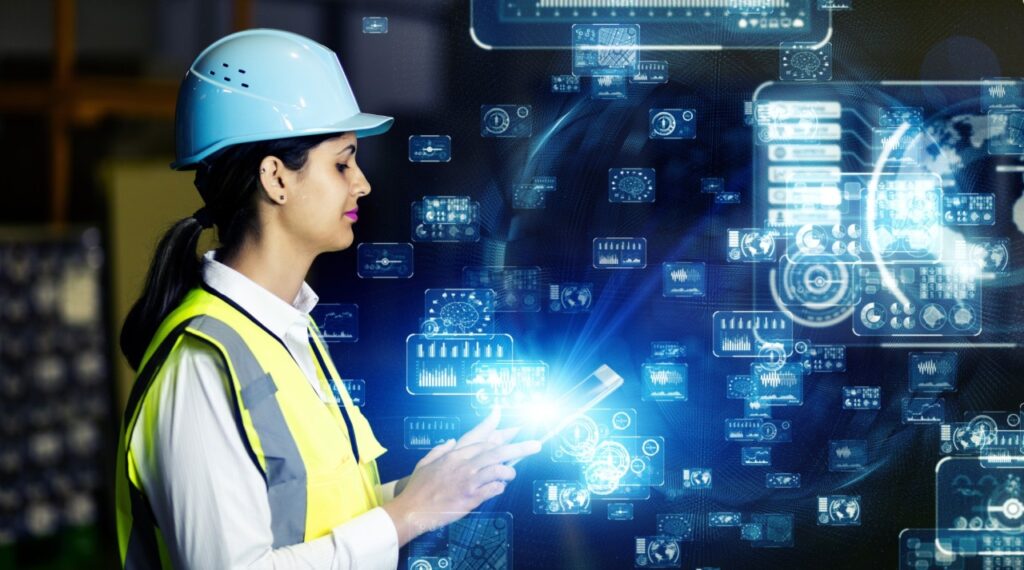
Digital Twins will change manufacturing; this technology has radically revolutionized the industry, offering a wide range of benefits. From improving production efficiency and reducing costs to enhancing product quality and enabling real-time decision-making, Digital Twins have the potential to revolutionize manufacturing operations. By adopting this technology and addressing the associated challenges, manufacturers can position themselves at the forefront of innovation and gain a competitive edge in today’s dynamic business environment. The era of Digital Twins has arrived, and their impact on the manufacturing sector will continue to shape the industry for years to come.
JOIN THE NEW REALITY!